Ethical Guidelines for Ecotourism and Wildlife Tourism
Ethical Guidelines for Ecotourism and Wildlife Tourism: How to Experience Nature Without Harming It
Watching a leopard move silently across a mountain slope, listening to a bird calling from a wetland, witnessing an eagle soaring above a rocky ridge, or observing a herd of wild goats high in the Zagros Mountains can be among the most unforgettable experiences nature has to offer.
But one important question should always be asked:
How far should we go to see wildlife?
The answer is simple: not at the expense of the animal.
Ecotourism and wildlife tourism are truly responsible only when the presence of visitors causes minimal disturbance to wildlife and its habitat.
Wildlife tourism can contribute to conservation, environmental education, and local livelihoods. But when it is poorly managed, it can also cause stress, alter natural behavior, interfere with feeding and reproduction, and damage sensitive habitats.
This is why ethical guidelines for ecotourism and wildlife tourism are essential. They provide a practical framework for travelers, guides, tour operators, photographers, and tourism professionals to enjoy nature while respecting the animals and ecosystems they have come to see.
What Does Ethical Wildlife Tourism Mean?
Ethical wildlife tourism means recognizing that animal welfare, ecosystem health, and the rights and interests of local communities must be considered alongside the visitor experience.
The goal is not simply to see an animal.
The goal is to observe wildlife without forcing it to change its natural behavior because of our presence.
A useful question in responsible wildlife tourism is therefore not:
“How close can I get for a better photograph?”
but:
“How can I observe this animal without disturbing it?”
This difference is at the heart of ethical wildlife observation.
- Remember That Wildlife Is Not Here for Us
Perhaps the most fundamental principle of responsible nature tourism is this:
We are visitors in the habitat of wildlife.
When we enter a natural area, we are entering the home of animals and plants that have existed there long before us.
A nesting site, den, feeding ground, watering place, breeding territory, or resting area may look like just another location on a map. For a wild animal, however, it may be critical to survival.
The purpose of wildlife tourism should therefore be to observe natural behavior—not to create a performance for visitors.
Wild animals do not owe us a close encounter, a perfect photograph, or a dramatic sighting.
- Keep a Safe and Respectful Distance
Maintaining an appropriate distance is one of the most important principles of wildlife tourism.
There is no single distance that applies to every species. The appropriate distance depends on the animal, the habitat, the season, the behavior of the individual, and the method of observation.
A useful principle is:
If an animal changes its natural behavior because of your presence, you are probably too close.
Warning signs may include suddenly moving away, abandoning feeding, hiding, changing direction, giving alarm calls, adopting defensive behavior, or leaving a resting or breeding area.
Professional wildlife tourism should always prioritize observation from a distance, using tools such as binoculars, spotting scopes, and telephoto lenses instead of physically approaching animals.
Never Chase Wildlife
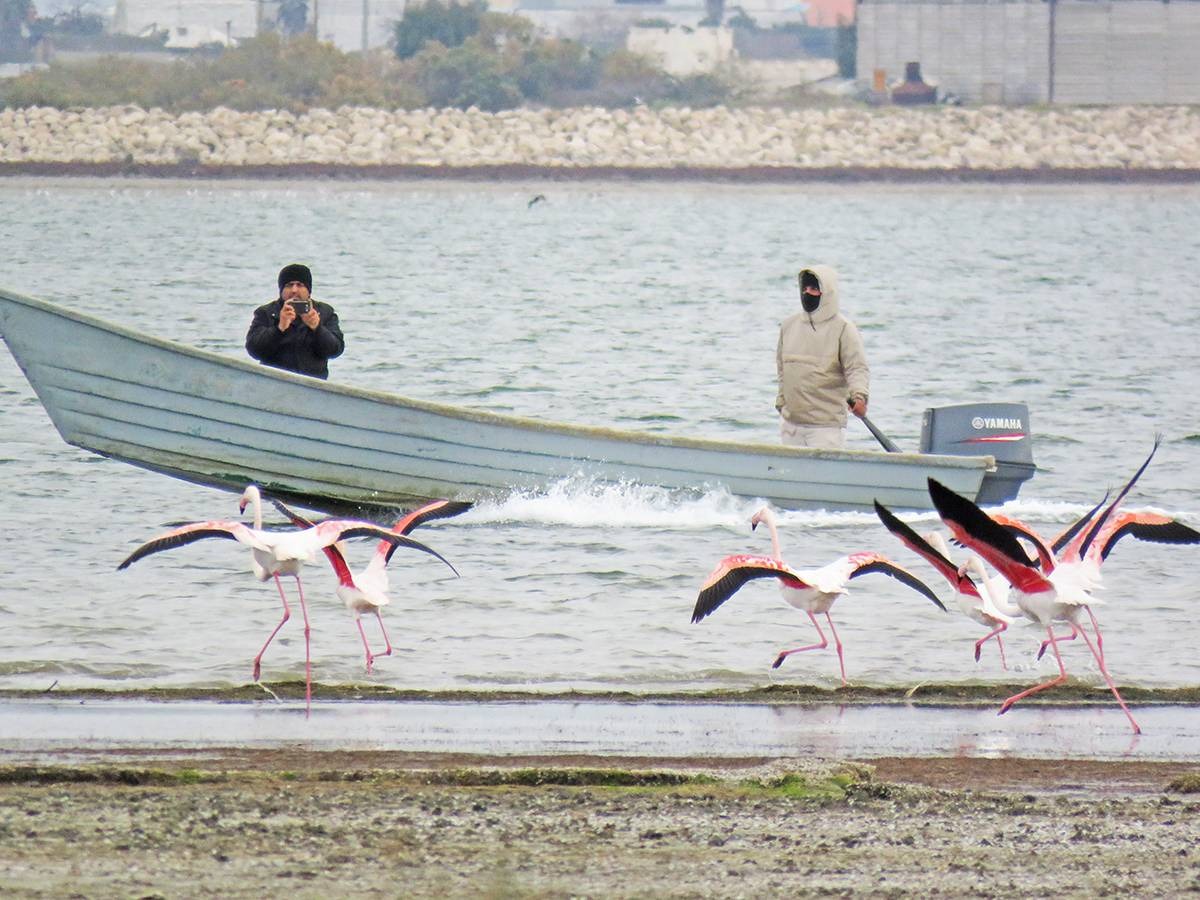
One of the most problematic behaviors in wildlife photography and tourism is following an animal in order to obtain a better view or photograph.
A wild animal may initially move slowly away from people or vehicles. If the pursuit continues, it may eventually run, fly, hide, or leave its habitat altogether.
Such repeated disturbance can cause unnecessary stress and energy expenditure.
The principle is simple:
When an animal chooses to move away, let it go.
A retreating animal should mark the end of the encounter—not the beginning of a chase.
This is particularly important when vehicles are involved. Dr
iving after an animal or repeatedly repositioning vehicles around it can turn a wildlife encounter into a stressful experience for the animal.
- Never Feed Wild Animals
Feeding wildlife may appear harmless, but it can have serious consequences.
When animals learn that humans or vehicles provide food, they may begin to associate people with feeding opportunities. Over time, this can alter natural behavior, increase dependence, encourage animals to approach roads or settlements, and increase the risk of conflict between humans and wildlife.
Food provided by visitors may also be nutritionally inappropriate or contaminated.
The basic rule of responsible wildlife tourism is therefore:
Never feed wildlife.
Even when an animal appears hungry.
Wild animals must remain wild.
- Do Not Touch Wild Animals
A calm-looking animal is not necessarily comfortable with human contact.
Touching wildlife can cause stress and may expose both the animal and the visitor to danger. This is particularly important when dealing with venomous reptiles, large mammals, defensive species, or young animals.
Wildlife should never be handled merely for a photograph or a closer look.
A photograph is never worth crossing the natural boundary between humans and wild animals.
- Stay Away From Nests, Dens, and Breeding Sites
The breeding season is one of the most sensitive periods in the life of any wild animal.
Approaching a nest, den, breeding site, cave, or nursery can cause parents to abandon the area temporarily—or, in some cases, for much longer periods.
Young animals can also be particularly vulnerable during this time.
For ethical wildlife tourism:
Breeding season is not the time to get closer. It is the time to give wildlife more space.
This principle is especially important for birds of prey, colonial nesting birds, large carnivores, and species that use predictable dens or breeding territories.
- Silence Is Part of Responsible Nature Tourism
In nature, sound can be just as disruptive as physical presence.
Shouting, loud conversations, music, horns, engines, speakers, and unnecessary noise can disturb animals that are feeding, resting, hunting, or communicating.
In a professional wildlife tour, lowering the volume of human activity is often one of the simplest ways to reduce disturbance.
Sometimes the most important tool a wildlife guide carries is not a camera or telescope.
It is silence.
- Vehicles Can Disturb Wildlife Too
Wildlife tourism does not become ethical simply because visitors remain inside a vehicle.
Vehicles can still create significant disturbance when they chase animals, block movement corridors, surround wildlife, or remain too close for long periods.
A well-managed wildlife tour should consider factors such as:
the number of vehicles, viewing duration, distance from animals, route selection, vehicle speed, and the ability of animals to move freely.
A good wildlife encounter should never feel like an animal has been trapped inside a circle of vehicles.
- Be Careful With Playback and Artificial Sounds
In birdwatching and wildlife photography, using recorded calls or playback to attract animals can be tempting.
In some circumstances, playback may help researchers identify species. But repeated or inappropriate use can cause birds to become stressed, respond to territorial challenges, abandon feeding, or waste energy defending a territory.
For this reason, playback should only be used when appropriate, for a very limited period, and with particular caution during the breeding season.
In sensitive locations, avoiding playback altogether may be the most responsible choice.
A useful principle is:
Knowing how to attract an animal is less important than knowing when not to disturb it.
- Never Manipulate Wildlife for a Photograph
One of the most unethica - l practices in wildlife photography is changing the scene to produce a better image.
Moving rocks around a snake, removing vegetation, handling a reptile, taking an animal out of its shelter, placing it on a more attractive background, or provoking defensive behavior are not examples of authentic wildlife photography.
They are examples of manipulating wildlife for content creation.
The strongest wildlife photographs are those that document animals as they naturally live.
Authenticity matters more than perfection.
Be Careful When Sharing Locations of Sensitive Species
Social media has created a new challenge for wildlife conservation.
Sharing information about a species can increase awareness and support conservation. But publishing the exact location of a rare animal, nesting site, den, or breeding colony can sometimes attract large numbers of visitors, collectors, poachers, or other forms of unwanted attention.
For highly sensitive species, exact coordinates should therefore not be publicly shared unless there is a clear scientific or conservation reason to do so.
This is particularly important for species that are rare, threatened, commercially valuable, or vulnerable to disturbance.
Not every location needs to become public information.
Sometimes protecting a species means keeping its location private.
Sometimes Not Seeing Wildlife Is the Ethical Choice
This may be one of the most difficult lessons for wildlife tourists to accept.
You may have traveled hundreds or thousands of kilometers to see a particular species. After hours of searching, the animal may finally appear—but at a great distance.
The temptation is strong to get closer.
But sometimes the most responsible decision is simply:
Stop where you are.
If moving closer causes the animal to alter its behavior, continuing the observation is no longer an ethical wildlife encounter.
Wild animals are not performers.
They are not required to provide visitors with a show.
Responsible tourism means accepting that sometimes the best wildlife encounter is the one in which we choose not to interfere.
Leave Nature as You Found It
Ethical tourism is not only about animals.
Plants, rocks, fossils, feathers, nests, branches, soil, and other natural elements are all part of the ecosystem.
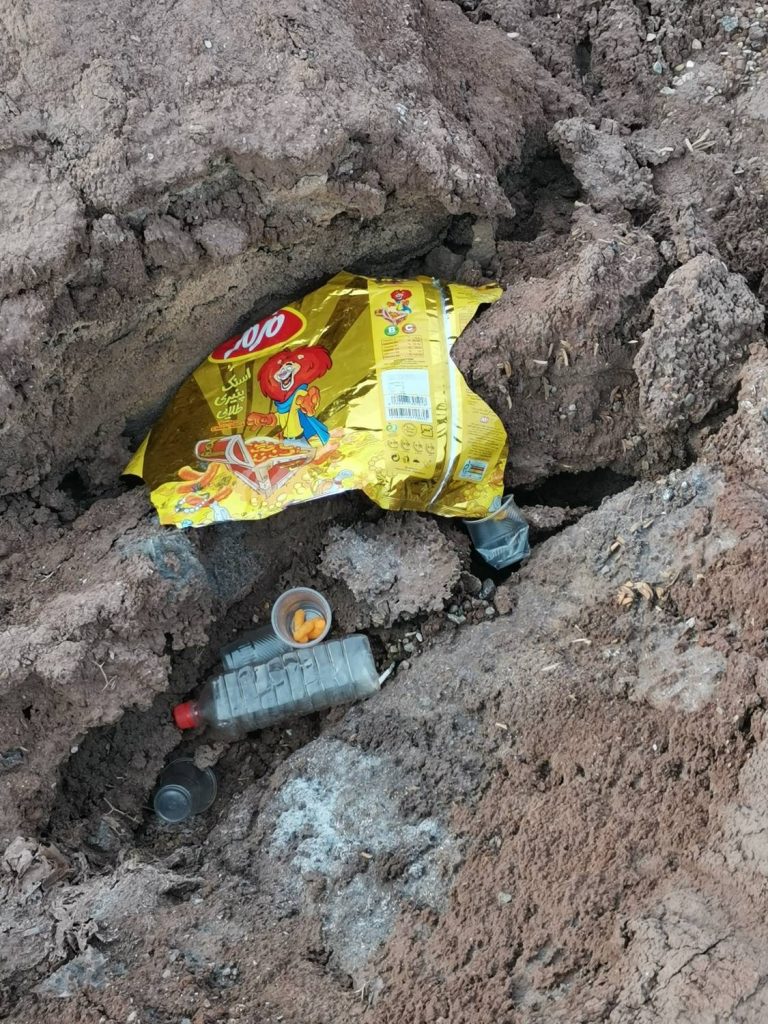
The principle commonly known as Leave No Trace encourages visitors to minimize their physical impact, remove their waste, avoid damaging vegetation, and leave natural objects where they belong.
A simple question every nature traveler should ask is:
“After I leave, will this place look almost the same as it did before I arrived?”
If the answer is yes, you are probably traveling responsibly.
Tourism Should Benefit Local Communities
Wildlife tourism is not simply a relationship between visitors and animals.
Local communities are also part of the social and ecological system of a destination.
Responsible ecotourism should create meaningful and sustainable local benefits whenever possible.
Using local guides, guesthouses, transportation, food services, handicrafts, and community-based tourism products can help ensure that part of the economic value created by tourism remains in the destination.
When communities benefit from a healthy ecosystem, conservation can become economically meaningful.
In the best form of ecotourism:
protecting nature and supporting local livelihoods reinforce each other.
A Wildlife Guide Is More Than Someone Who Finds Animals
The role of a professional wildlife guide goes far beyond locating a species.
A responsible guide should be able to:
maintain appropriate distances, understand animal behavior, control viewing time, prevent chasing, educate visitors, recognize signs of stress, and stop an encounter when necessary.
A professional guide must sometimes be willing to tell a client:
“We are not going any closer because the animal needs its space.”
That

1 Comment
Join the discussion and tell us your opinion.
This is a sample comment.