Biodiversity of Iran
Biodiversity of Iran: A Land of Four Seasons and Thousands of Species
Iran is one of the most fascinating countries in Asia when it comes to biodiversity. Few places offer such a remarkable combination of climatic, geographical, geological, and ecological diversity within a single country.
From the ancient Hyrcanian forests along the Caspian Sea to the hyper-arid landscapes of the Lut Desert, from the oak forests of the Zagros Mountains to the high peaks of the Alborz, and from inland wetlands to the mangrove forests and marine ecosystems of the Persian Gulf and Gulf of Oman, every part of Iran supports a distinctive combination of plants, animals, and ecological processes.
This diversity is far more than a visual attraction. Iran’s biodiversity is one of the country’s most valuable natural assets, supporting healthy ecosystems, water resources, agriculture, local livelihoods, nature tourism, and ecological resilience.
What Is Biodiversity?
Biodiversity, or biological diversity, refers to the variety of life at different levels. It includes genetic diversity within species, diversity among species, and the diversity of ecosystems and habitats.
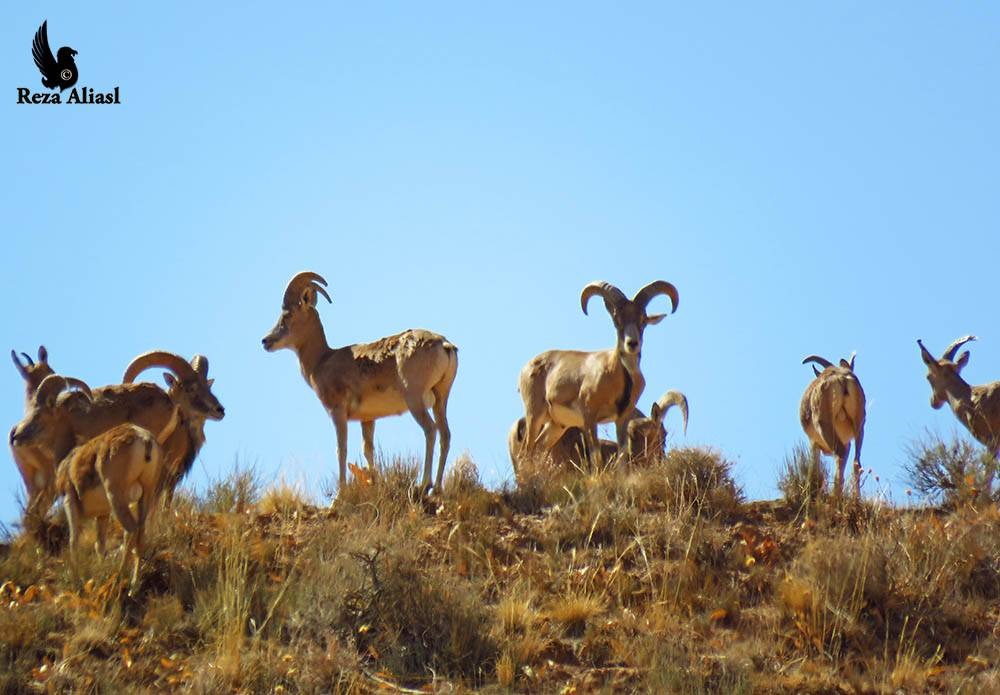
When we talk about the biodiversity of Iran, we are therefore talking about much more than iconic animals such as the Persian leopard or Asiatic cheetah.
Iranian biodiversity includes:
Genetic diversity + species diversity + ecosystem diversity
Iran’s geographical position at the intersection of several biogeographical regions has contributed to this richness. Scientific research identifies Iran as a meeting point of major biogeographical zones, while many of the country’s endemic plant species are concentrated in mountain environments. Iran also contains parts of the Irano-Anatolian and Caucasus biodiversity hotspots. (pmc.ncbi.nlm.nih.gov)
Why Is Iran So Biodiverse?
One of the main reasons is geographical diversity.
Iran is located between Europe, Central Asia, the Indian subcontinent, and the Arabian Peninsula. It is bordered by the Caspian Sea to the north and the Persian Gulf and Gulf of Oman to the south.
At the same time, the Alborz and Zagros mountain ranges create dramatic differences in elevation, climate, precipitation, soils, and habitat conditions.
In some parts of northern Iran, rainfall is relatively high and forests are dense and humid. In contrast, some areas of central and southeastern Iran are among the driest environments in the country.
These environmental differences have produced a remarkable mosaic of habitats, including temperate forests, dry mountain woodlands, steppes, grasslands, deserts, wetlands, alpine ecosystems, saline environments, mangroves, and marine habitats. (pmc.ncbi.nlm.nih.gov)
In simple terms, Iran is not a single natural environment. It is a country made up of many different ecological worlds.
Iran’s Thousands of Plant and Animal Species
One of the clearest ways to understand Iran’s biological richness is through the number of species found across the country.
National biodiversity assessments and scientific studies have documented approximately 8,000 plant species, 197 mammal species, 535 bird species, 227 reptile species, and 21 amphibian species, together with hundreds of freshwater and marine fish species. These figures can change as taxonomy is updated and new species or new records are documented, but they provide a useful picture of the scale of Iran’s biodiversity. (cbd.int)
The true diversity of Iran is likely even greater, particularly among less-studied groups such as insects, fungi, microorganisms, and some invertebrate groups.
This means that Iran’s biodiversity is still a field of scientific discovery.
Iran’s Flora: A Treasure of Endemic Plants
One of the most remarkable aspects of Iranian biodiversity is its plant diversity.
Iran has thousands of vascular plant species, including a large number of endemic species that occur naturally nowhere else on Earth.
A major study of Iran’s endemic vascular plants identified 2,597 endemic species and subspecies and found that approximately 88% of these endemic elements are associated
with the Irano-Turanian phytogeographical region. Around three-quarters are associated with mountain environments. (pubmed.ncbi.nlm.nih.gov)
A later catalogue published in 2025 identified 2,503 endemic flowering plant species in Iran, further illustrating the extraordinary level of plant endemism in the country. (openurl.ebsco.com)
This is particularly important for nature tourism. Travelers in Iran can encounter plant communities that are strongly adapted to local geology, altitude, climate, and soil conditions.
For botanists and nature enthusiasts, Iran is therefore much more than a country of beautiful landscapes—it is a living laboratory of plant evolution and adaptation.
Mountains: The Centers of Iranian Biodiversity
If there is one major geographical feature that helps explain Iran’s biological richness, it is the country’s mountain systems.
The Alborz, Zagros, and other mountain ranges create dramatic environmental gradients over relatively short distances.
Temperature changes with elevation. The orientation of slopes affects sunlight and moisture. Soil and bedrock vary across landscapes. Valleys may be cooler and wetter than exposed ridges.
Together, these differences create numerous ecological niches.
Research indicates that a very large proportion of Iran’s endemic vascular plants are associated with mountainous regions, with many occurring at elevations above approximately 1,400 meters. (pmc.ncbi.nlm.nih.gov)
For this reason, Iran’s mountains are important not only for mountaineering, but also for botanical tourism, wildlife observation, birdwatching, scientific tourism, and geotourism.
The Hyrcanian Forests: A Living Heritage of Northern Iran
One of the most impressive examples of Iranian biodiversity is the Hyrcanian Forests.
Stretching along parts of the southern Caspian region, these forests are among the oldest surviving temperate broadleaf forest ecosystems in the world. UNESCO describes their evolutionary history as extending back approximately 25 to 50 million years.
More than 3,200 vascular plant species have been recorded in the broader Hyrcanian region, together with around 180 bird species and 58 mammal species. Large mammals such as the Persian leopard, wolf, and brown bear are among the wildlife associated with these forests. (whc.unesco.org)
The value of the Hyrcanian forests goes beyond the number of species. Their ancient continuity and ecological history make them important for understanding biodiversity and environmental change in the region.
For travelers, the Hyrcanian forests offer an extraordinary combination of ancient trees, dense vegetation, rivers, misty valleys, birds, mammals, and spectacular landscapes.
The Zagros: Biodiversity in the Land of Oaks
In western and southwestern Iran, the landscape changes dramatically.
The Zagros Mountains support extensive oak woodlands and a complex combination of forests, shrublands, grasslands, valleys, springs, rocky habitats, and highland ecosystems.
These landscapes support a wide range of plants and animals while also playing an important role in soil and water conservation.
The Zagros is particularly valuable for wildlife tourism, birdwatching, trekking, rural tourism, and cultural landscape experiences, especially where traditional communities and pastoral systems remain closely connected to the natural environment.
The ecological health of the Zagros, however, is under pressure from drought, climate change, wildfire, land-use change, and other human impacts. These challenges make conservation increasingly important for the long-term survival of the ecosystem.
Biodiversity in Iran’s Deserts
One of the most fascinating misconceptions about deserts is the idea that they are lifeless.
Iran’s deserts prove exactly the opposite.
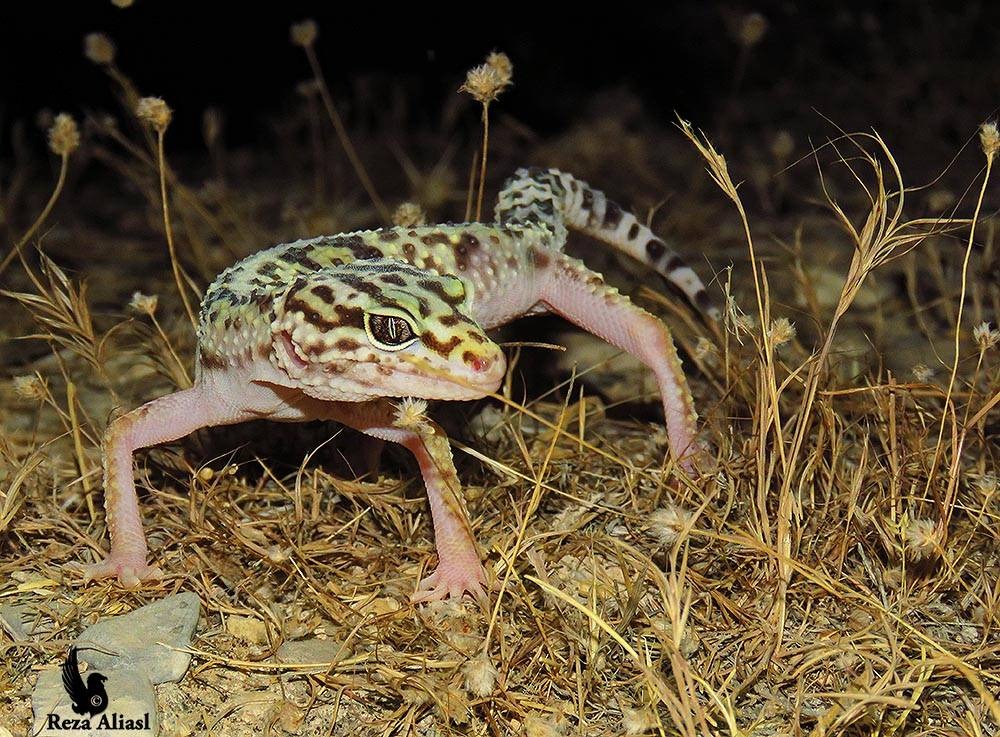
Desert ecosystems support plants and animals with highly specialized adaptations to water scarcity, extreme temperatures, salinity, and rapidly changing environmental conditions.
From the Dasht-e Kavir to the Lut Desert, Iran’s dry landscapes contain a variety of habitats, including salt flats, sandy plains, gravel deser
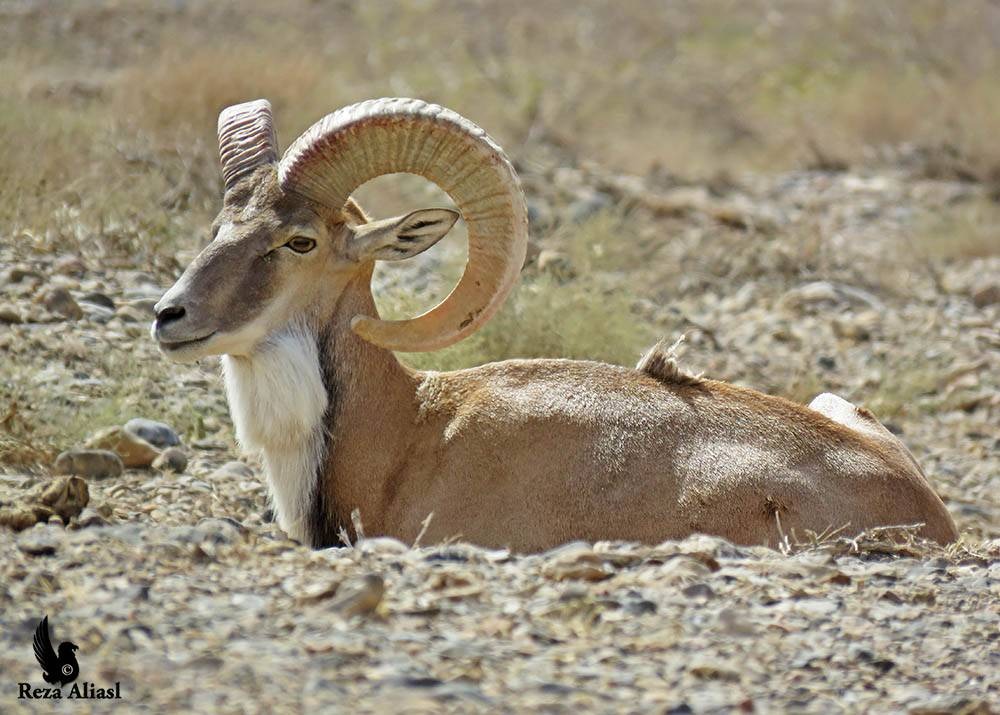
h. (pmc.ncbi.nlm.nih.gov)
Recent research also indicates that climate change may significantly affect endemic mountain plants by reducing suitable climatic ranges for some species. (sciencedirect.com)
Protected Areas and Conservation in Iran
Protected areas are one of the most important tools for conserving biodiversity.
A 2024 study based on official conservation data reported 31 national parks, 46 wildlife refuges, and 169 protected areas in Iran, covering roughly 177,000 square kilometers. (link.springer.com)
However, simply declaring an area protected does not automatically guarantee effective conservation.
The long-term success of protected areas depends on factors such as management quality, ecological connectivity, law enforcement, scientific monitoring, local participation, and sufficient conservation resources.
Increasingly, conservation planning focuses not only on isolated protected areas but also on ecological corridors and connected landscapes.
Biodiversity and the Future of Tourism in Iran
Iran’s biodiversity creates enormous potential for ecotourism and wildlife tourism, but tourism must be carefully managed.
Nature-based travel can generate economic

1 Comment
Join the discussion and tell us your opinion.
This is a sample comment.