Ecosystems of Iran: A Journey from the Hyrcanian Forests to the Lut Desert
Ecosystems of Iran: A Journey from the Hyrcanian Forests to the Lut Desert
Iran is often known for its vast deserts, towering mountains, and the shores of the Persian Gulf. Yet behind these familiar images lies one of the most remarkable natural landscapes in Asia: Iran’s extraordinary diversity of ecosystems, stretching from the humid forests of the north to the hyper-arid deserts of southeastern Iran, from the steppes and grasslands of the Iranian Plateau to internationally important wetlands and marine environments.
Iran’s geographical position, wide range of elevations, the presence of the Alborz and Zagros mountain ranges, and its proximity to the Caspian Sea, Persian Gulf, and Gulf of Oman have created an exceptional variety of habitats. Iran lies at the intersection of several important biogeographical regions, including the Irano-Turanian, Euro-Siberian, and Saharo-Sindian regions. Mountain ecosystems, in particular, support a remarkable concentration of native plant species. (pmc.ncbi.nlm.nih.gov)
For a nature traveler, this means that a journey across Iran can feel like traveling through several different worlds. Within relatively short distances, visitors can experience dense forests, high mountain landscapes, vast steppes, wetlands, salt plains, spectacular deserts, mangrove forests, and marine ecosystems.
What Is an Ecosystem and Why Are Iran’s Ecosystems Important?
An ecosystem is much more than a collection of plants and animals. It is a complex network of relationships between living organisms and their physical environment, including water, soil, climate, topography, and natural ecological processes.
These interactions support essential processes such as water cycling, nutrient cycling, soil formation, pollination, carbon storage, and climate regulation.
Iran is particularly important because its landscapes include parts of major biodiversity hotspots such as the Irano-Anatolian and Caucasus hotspots. A significant proportion of Iran’s endemic species are associated with its mountain ecosystems. (pmc.ncbi.nlm.nih.gov)
This natural richness gives Iran enormous potential for ecotourism, wildlife tourism, birdwatching, geotourism, scientific tourism, and environmental education.
The Hyrcanian Forests: Iran’s Ancient Green Heritage
Along the southern shores of the Caspian Sea lies one of Iran’s most valuable forest ecosystems: the Hyrcanian Forests.
These forests are remnants of ancient temperate broadleaf forests whose history goes back approximately 25 to 50 million years. The Hyrcanian region is home to more than 3,200 recorded vascular plant species, as well as around 180 bird species and 58 mammal species. It also provides habitat for species such as the Persian leopard, wolf, and brown bear. (whc.unesco.org)
Parts of the Hyrcanian Forests in Iran were inscribed on the UNESCO World Heritage List in 2019, and in 2023 the World Heritage property was extended to include additional areas in Azerbaijan. (whc.unesco.org)
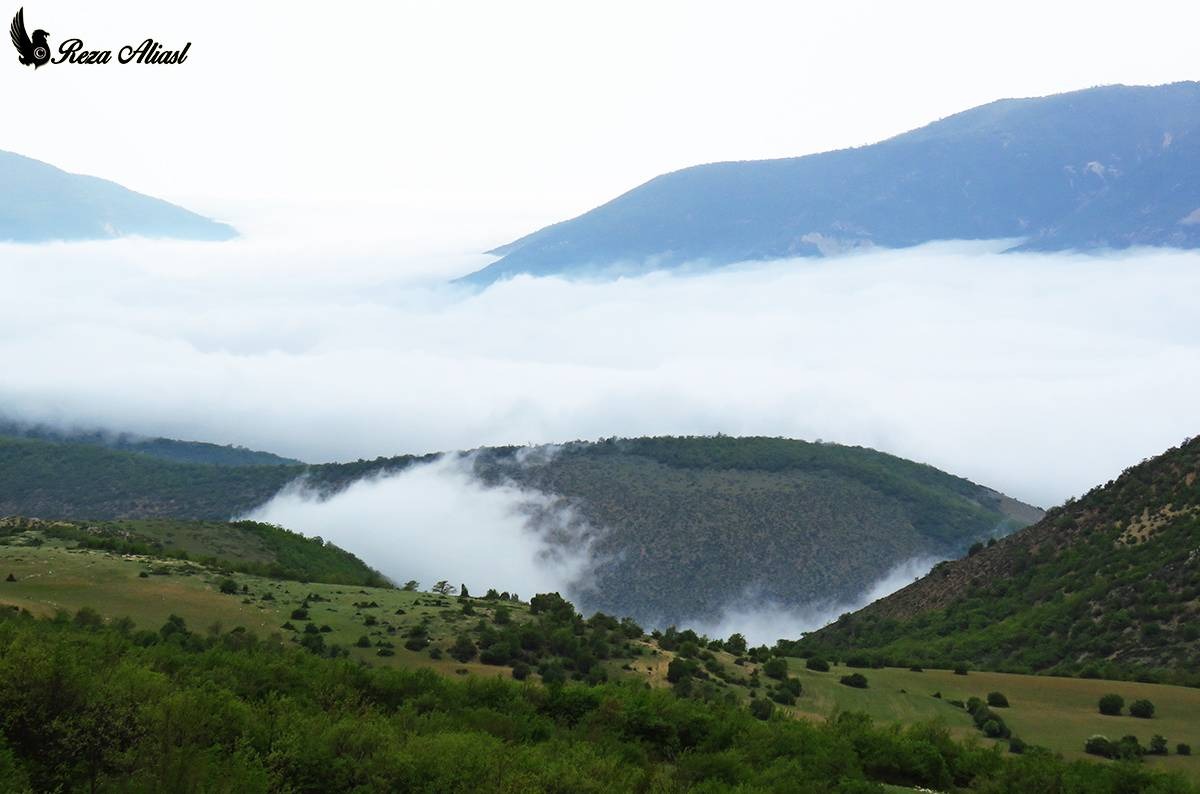
For nature travelers, the Hyrcanian Forests are much more than woodland. They are a world of ancient trees, rivers, mist-covered valleys, wildlife, birdlife, and extraordinary landscapes—an ideal setting for forest trekking, birdwatching, wildlife observation, and nature photography.
The Zagros Forests: The Land of Oaks and Wildlife
Western and southwestern Iran are dominated by the dramatic Zagros Mountains, where oak woodlands form one of the country’s most important terrestrial ecosystems.
Species of the genus Quercus, particularly the Persian oak, play a major role in the structure and ecological functioning of many Zagros forests. These woodlands are essential not only for biodiversity but also for soil conservation, water regulation, and the ecological stability of mountain landscapes. Recent research has also shown relationships between topography, elevation, canopy characteristics, biodiversity, and ecosystem functioning in parts of the Zagros forests. (sciencedirect.com)
During recent decades, parts of the Zagros ecosystem have experienced increasing pressures from drought, climate c
hange, wildfire, land-use change, and other human impacts. Scientific studies have documented declines in forest health and ecological productivity in some areas. (nature.com)
For visitors, however, the Zagros offers much more than a mountain landscape. It is an outstanding destination for wildlife tourism, hiking, rural tourism, nature photography, and exploring the long relationship between local communities and their natural environment.
Iran’s Mountains: Islands of Biodiversity
The Alborz, Zagros, and other mountain ranges of Iran are not simply scenic backdrops. They are among the country’s most important centers of biodiversity.
As elevation increases, temperature, moisture, soil characteristics, and growing seasons change. These environmental gradients create distinct ecological communities, meaning that several different habitats can occur within a relatively small geographical area.
Botanical research has shown that a large proportion of Iran’s endemic vascular plants are associated with the Irano-Turanian region, with mountain landscapes playing a particularly important role in supporting these endemic species. (pmc.ncbi.nlm.nih.gov)
This makes Iran’s mountains highly significant for botanical tourism, birdwatching, wildlife observation, trekking, mountaineering, geotourism, and scientific travel.
Iran’s Deserts and Salt Landscapes: Life in Extreme Environments
When people hear the word “desert,” they sometimes imagine landscapes without life. Iran’s deserts tell a very different story.
The country’s deserts and arid landscapes contain highly specialized ecosystems shaped by extreme heat, limited water, salinity, and dramatic fluctuations in temperature. Plants and animals have evolved remarkable adaptations to survive under these difficult conditions.
The Dasht-e Kavir, salt deserts, sand fields, and the Lut Desert are among the best-known examples.
The UNESCO-designated Kavir Biosphere Reserve contains a mosaic of saline and sandy landscapes, dry and semi-dry vegetation, and steppe communities. More than 200 plant species have been recorded in the reserve, including endemic species. (unesco.org)
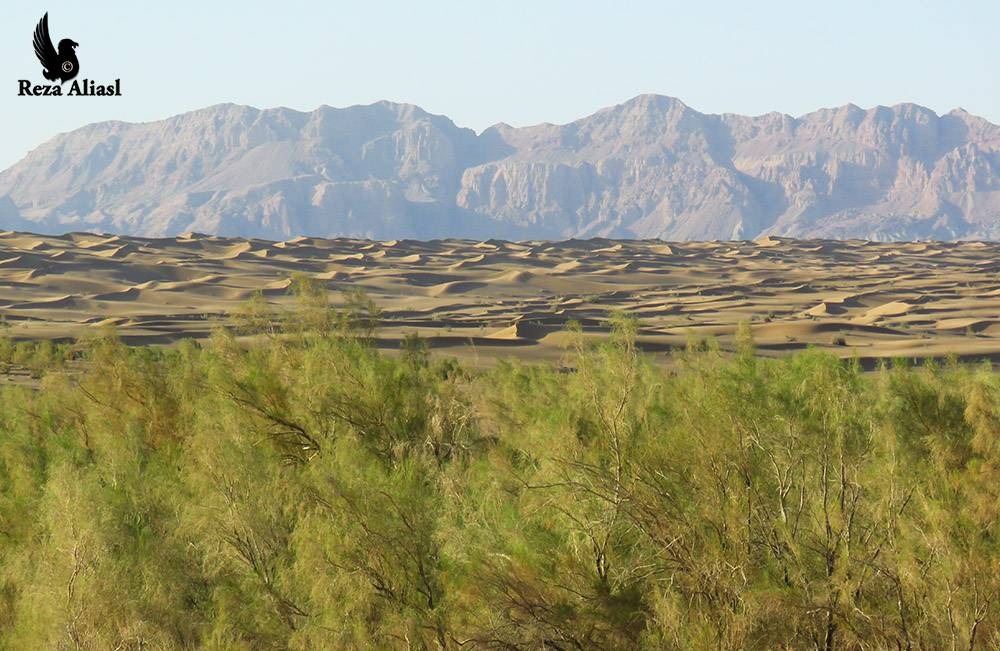
In southeastern Iran, the Lut Desert represents one of the world’s most remarkable hyper-arid environments. UNESCO inscribed the Lut Desert as a World Heritage Site because of its extraordinary geomorphological features, including extensive sand fields, rocky landscapes, and especially its spectacular kaluts—massive wind-eroded ridges and yardangs. (whc.unesco.org)
Iran’s deserts offer outstanding opportunities for desert tourism, geotourism, wildlife observation, landscape photography, astronomy, and exploring how life survives in extreme environments.
Iran’s Wetlands: Blue Hearts in an Arid Land
In a country where much of the landscape is arid or semi-arid, wetlands have exceptional ecological importance.
Iran’s wetlands range from the lakes and marshes of the north to inland wetlands and coastal ecosystems in the south. They provide vital habitats for waterbirds, shorebirds, fish, amphibians, reptiles, aquatic plants, and many other organisms.
At the same time, wetlands provide essential ecosystem services, including water storage and regulation, flood mitigation, biodiversity support, and ecological productivity. (ramsar.org)
Iran is closely linked to the history of international wetland conservation. The Ramsar Convention on Wetlands was adopted in 1971 in the Iranian city of Ramsar. Iran currently has 27 Ramsar Sites, wetlands designated as being of international importance. (ramsar.org)
Wetlands such as Anzali, Miankaleh, Shadegan, and Gavkhouni, together with a number of inland and mountain wetlands, offer important opportunities for birdwatching, nature tourism, ecological research, and wildlife observation. Gandoman Wetland in the Zagros was added to the Ramsar List in 2025, highlighting the importance of Iran’s mountain wetlands as well. (ramsar.org)
Coastal, Mangrove, and Marine Ecosystems
Southern Iran offers an entirely different natural experience.
The coasts of the Persian Gulf and Gulf of Oman include
a wide range of coastal and marine habitats, including mangrove forests, tidal mudflats, estuaries, coral habitats, coastal lagoons, and diverse marine communities.
Iran’s mangrove forests are primarily represented by Avicennia marina. They occur along parts of the coasts of Bushehr, Hormozgan, and Sistan and Baluchestan provinces. Studies of these ecosystems have documented diverse fish, bird, crustacean, and other marine and coastal communities. (sciencedirect.com)
Coral habitats in the Persian Gulf and Gulf of Oman are another important component of Iran’s marine biodiversity. Recent scientific literature continues to highlight the ecological value and diversity of Iran’s coral ecosystems. (link.springer.com)
These southern ecosystems provide exceptional opportunities for coastal ecotourism, marine wildlife observation, birdwatching, photography, boating, and environmental education.
Why Is Iran an Important Destination for Ecotourism?
The diversity of Iran’s ecosystems creates extraordinary opportunities for ecotourism and wildlife tourism.
A nature-focused journey through Iran may include the ancient Hyrcanian forests, birdwatching in wetlands, trekking in the Alborz and Zagros Mountains, wildlife observation in dry and steppe environments, desert exploration in central Iran, and experiencing mangrove forests and marine ecosystems in the south.
One of Iran’s most distinctive characteristics is the close relationship between its ecosystems and local culture, traditional agriculture, villages, architecture, and historic landscapes.
As a result, nature tourism in Iran does not need to be limited to viewing scenery. It can become a deeper experience of the relationship between people, landscapes, biodiversity, and traditional ways of life.
Conservation of Iran’s Ecosystems: A Necessity for the Future
Despite their extraordinary value, Iran’s ecosystems face pressures from climate change, drought, wildfire, land-use change, pollution, unsustainable resource use, habitat degradation, and other human impacts.
Examples can be seen in the pressures affecting some wetlands, the declining health of parts of the Zagros forests, and increasing challenges faced by coastal and marine ecosystems.
Protecting Iran’s ecosystems is not only the responsibility of government agencies and environmental scientists. Responsible tourism can also be part of the solution when it respects ecological carrying capacity, supports local communities, minimizes impacts on wildlife and vegetation, and helps visitors understand the real ecological value of natural landscapes.
Iran: A Land of Many Natural Worlds
Iran cannot be described through a single image.
The natural Iran is a collection of very different worlds: the ancient Hyrcanian forests, oak woodlands of the Zagros, the mountain ecosystems of the Alborz and central Iranian ranges, steppes and grasslands, deserts and salt landscapes, wetlands, the coastal environments of the Persian Gulf and Gulf of Oman, mangrove forests, and marine ecosystems.
This extraordinary ecological diversity makes Iran one of the most fascinating countries in the region for nature exploration, biodiversity research, wildlife tourism, ecotourism, and conservation.
For travelers who want to discover Iran beyond its famous historical cities and cultural monuments, understanding the ecosystems of Iran can be the beginning of a very different journey—a journey in which every region is not simply a destination, but a living world shaped by its climate, geology, plants, animals, and evolutionary history.
Desert

1 Comment
Join the discussion and tell us your opinion.
This is a sample comment.