
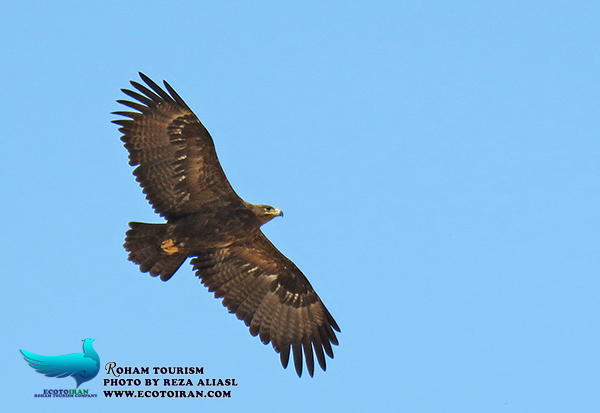
The Strategic Importance of Wildlife Tourism in Iran
Explore Iran’s unique biodiversity, from the Asiatic cheetah to pristine national parks. Discover the economic, social, and conservation potential of wildlife tourism in Iran and the roadmap for sustainable development.
The Strategic Importance of Wildlife Tourism in Iran: Untapped Capacities and a Roadmap for Sustainable Development
- Introduction: Iran – The Biodiversity Jewel of the Middle East
Iran possesses a remarkable geographical and climatic diversity unmatched in the Middle East. Situated at the crossroads of three major biogeographical regions—the Hyrcanian forests, the Irano-Turanian zone, and the Zagros mountains—the country hosts a stunning mosaic of ecosystems. From the lush, misty forests of the north to the scorching central deserts, from the towering Zagros peaks to the warm shores of the Persian Gulf and the Gulf of Oman, Iran is a sanctuary for an extraordinary variety of wildlife.
According to data from the Iranian Department of the Environment, the country is home to over 2,000 animal species, including mammals, birds, reptiles, amphibians, and inland fish, alongside approximately 1,200 marine fish species in its southern waters. Tragically, 86 of these species are currently classified as endangered. Among them are some of the world’s rarest creatures: the Asiatic cheetah (the rarest big cat on Earth), the Persian fallow deer, thePersian leopard, the Asiatic wild ass (gur), the great bustard**, and the mugger crocodile.
Despite this incredible natural wealth, wildlife tourism remains a **largely neglected sector** in Iran. A member of the Iranian Parliament’s Agricultural Committee recently criticized the state of the industry, noting that despite thousands of species—especially rare ones—the country has a perfect foundation for tourism development, yet fails to capitalize on this lucrative opportunity.
- Iran’s Unique Wildlife Tourism Capacities
2.1 National Parks and Protected Areas
Iran has designated 31 protected areas, including national parks, wildlife refuges, and protected regions, each offering unique habitats and attractions for nature enthusiasts. Key highlights include:
– Golestan National Park: The oldest registered national park in Iran and one of the 50 premier environmental reserves recognized by UNESCO. Home to 1,350 plant species and 302 animal species—including half of all mammal species found in Iran—it is an irreplaceable biodiversity hotspot. The latest census (November 2025) counted over 12,500 herbivores within its boundaries.
– Turan National Park (Kharturan): Famously known as the “Africa of Iran,” it is the second-largest wildlife reserve in the country and a critical habitat for the Asiatic cheetah, the Persian wild ass, and various deer species.
– Kavir National Park (Central Park of Iran): The only national park in Iran where livestock grazing and mining are strictly prohibited.
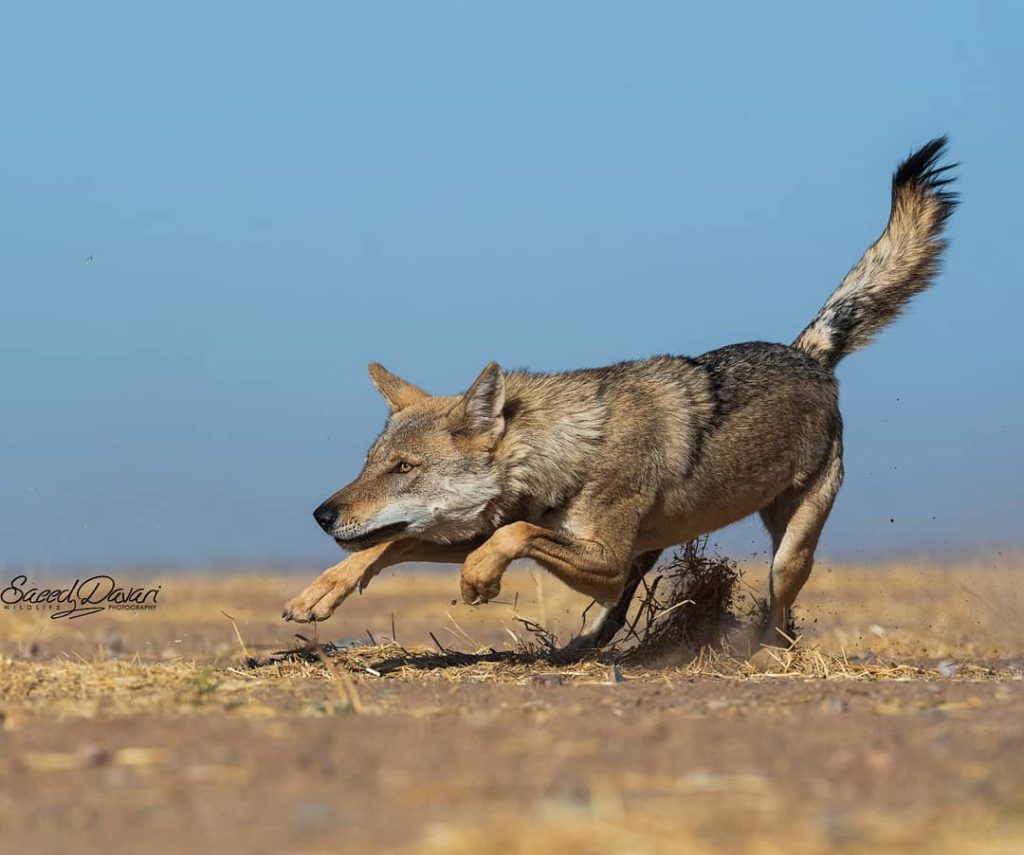
Its unique desert-adapted wildlife makes it a high-potential area for specialized safari-style tourism.
– Lake Urmia National Park: A unique aquatic ecosystem and, after Anzali Wetland, the second most significant natural habitat for birds and aquatic life in Iran.
– Wildlife Refuges: Other critical areas such as Ghamishloo, Naybandan, Mouteh, and Lovandevil each serve as sanctuaries for specific endemic and rare species.
2.2 Flagship and Attractive Species
Iran hosts species found nowhere else or in very restricted numbers globally. The Asiatic cheetah (*Acinonyx jubatus venaticus*), the rarest cheetah subspecies in the world, is now largely confined to the Iranian plateau. With fewer than 50 individuals remaining in the wild, this species alone could serve as Iran’s global brand for wildlife tourism, just as mountain gorilla trekking has branded Uganda.
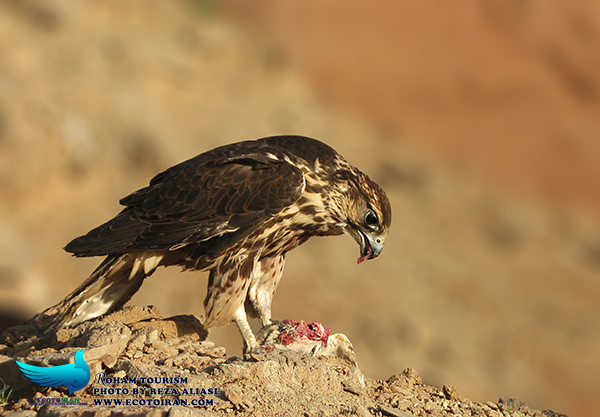
Other high-value species include the **Persian leopard**, **Persian fallow deer**, **Persian wild ass**, **brown bear**, **Luristan newt**, and the **mugger crocodile**. Furthermore, Iran’s position on major migratory bird routes makes it a prime destination for **birdwatching tourism**, attracting global enthusiasts eager to spot rare and migratory avian species.
- Economic Significance: An Alternative to Oil Revenues
3.1 Income and Employment Generation
Globally, wildlife tourism accounts for **7% of the entire tourism sector** and grows at roughly **3% annually**. In Africa, 14 countries generate approximately **$142 million** annually from entry fees alone to their protected areas. Given Iran’s rich biodiversity, it is positioned to capture a significant share of this booming market.
According to the World Bank, tourism accounted for about **4.7% of Iran’s GDP in 2023**. Strategic development of wildlife tourism could substantially increase this share and serve as a viable **alternative to oil revenues**. Several economic experts believe that with proper investment, Iran’s wildlife tourism sector could eventually rival the income generated by crude oil exports, offering a sustainable and renewable economic resource.
3.2 Empowering Local Communities
Wildlife tourism can act as a **stable source of income for rural and underprivileged communities**. In Iran, protected areas are frequently located in remote regions where local inhabitants struggle with limited livelihood opportunities. Developing wildlife tourism creates direct jobs (tour guides, eco-lodge staff, handicraft vendors) and indirect economic ripple effects, contributing to **income diversification** and reducing rural out-migration.
3.3 Domestic Success Stories (Limited but Promising)
Although Iran lags behind internationally, there have been small-scale successes. Wildlife tours organized by the **Iranian Cheetah Society** in recent years have drawn attention to pristine, remote areas. Additionally, reports indicate that international tourists have successfully photographed the Asiatic cheetah in its natural habitat, demonstrating the species’ undeniable pull for the global market.
- Socio-Cultural Importance: Shifting Mindsets and Mitigating Conflicts
4.1 From Poaching to Protection
Perhaps the most profound socio-cultural benefit is shifting local values from **consumptive use** (poaching/hunting) to **non-consumptive use** (conservation/photography). When a species generates reliable income for a community while alive, the incentive to protect it surpasses the short-term gain of hunting it.
In Iran, **illegal poaching** and **habitat destruction** remain critical threats to wildlife. Developing wildlife tourism can transform former poachers into dedicated game wardens and local guides, replicating the successful models seen in Uganda and Namibia.
4.2 Reducing Human-Wildlife Conflict
In many Iranian provinces, conflicts with predators like leopards and bears result in livestock losses and, occasionally, human casualties. Retaliatory killings are common. By establishing clear financial benefits tied to the survival of these species, tourism increases local tolerance levels. Communities that earn from hosting tourists are far less likely to view wildlife as a threat and more likely to act as protectors.
4.3 Enhancing Local Identity and Pride
International attention drawn to remote villages hosting rare species fosters a profound sense of **pride and local identity**. For nomadic tribes and rural populations that sometimes feel marginalized, being recognized as guardians of globally significant
species reinforces their cultural standing and connection to the land.
- Conservation Significance: An Incentive for Endangered Species
5.1 Creating Economic Value for Threatened Species
The fundamental conservation principle of wildlife tourism is that **conservation must pay for itself**. When an endangered species transforms into an economic asset, the government and local communities gain a tangible reason to prioritize its survival.
Iran’s **86 endangered species** urgently require new, sustainable funding mechanisms. The Asiatic cheetah, acting as a **flagship species**, can spearhead this effort. Revenue from cheetah-viewing tours can be directly channeled into anti-poaching patrols, veterinary care, and habitat restoration—creating a self-sustaining conservation loop.
5.2 Protecting Habitats
Wildlife tourism protects not just species but entire ecosystems. A national park that generates substantial tourism revenue is far less likely to be degraded by infrastructure projects, illegal logging, or agricultural encroachment. In Iran, where protected areas face threats such as **road construction**, **overgrazing**, **drought**, and **poaching**, tourism development offers a compelling economic argument for preserving these vital landscapes.
- Key Challenges Facing Wildlife Tourism in Iran
Despite its massive potential, the sector faces significant obstacles that have historically hindered its growth.
6.1 Lack of Infrastructure and Coherent Planning
Parliamentary officials have specifically highlighted the urgent need for **adequate infrastructure and comprehensive strategic planning**. Iran lags behind many regional and global competitors in utilizing its wildlife assets for tourism. The absence of a cohesive national strategy, combined with weak regulatory oversight, remains a primary bottleneck.
6.2 Unregulated and Harmful Tourism
Uncontrolled tourist access to sensitive habitats can disrupt animal behavior, cause stress, and degrade delicate ecosystems. In Iran, the scarcity of **certified specialist guides** and explicit behavioral codes for interacting with wildlife exacerbates this risk.
6.3 Lack of Education and Public Awareness
Sustainable wildlife tourism requires deep cultural education—for both tourists and locals. Unfortunately, many domestic travelers are unfamiliar with the principles of **responsible wildlife viewing**, leading to unintentional disturbances that can have long-term impacts on animal populations.
6.4 Focus on Hunting Over Observation
A particularly entrenched challenge in Iran is the preference for **trophy hunting** over non-consumptive observation. Reports indicate that permits to hunt rare species like the Laristan wild sheep have been sold to foreign applicants for **hundreds of thousands of dollars**. This approach not only threatens species survival but also undermines the **long-term, recurring revenue** potential of photographic tourism.
- Strategic Recommendations for Sustainable Development
To unlock the immense potential of wildlife tourism in Iran, the following evidence-based, strategic steps are recommended:
- Formulate a National Wildlife Tourism Master Plan: Developed collaboratively by the Department of the Environment, the Ministry of Cultural Heritage, Tourism, and Handicrafts, and local community representatives.
- Develop Low-Impact Infrastructure: Invest in eco-lodges, visitor centers, improved access routes (with minimal ecological footprint), and essential amenities.
- Empower Local Communities through Training: Transform residents into certified guides, eco-tourism entrepreneurs, and frontline conservation stewards.
- Launch Public Awareness Campaigns: Use media, pre-trip briefings, and school curricula to promote responsible tourism ethics.
- Establish Flagship Tourism Brands: Create globally marketable brands such as “In the Land of the Asiatic Cheetah” or “Iran: A Birdwatcher’s Paradise.”
- Phase Out Hunting in Favor of Photography: Implement economic incentives for communities to support viewing quotas, setting competitive fees for observation permits that rival hunting revenues.
- Implement Continuous Ecological Monitoring: Dynamically adjust visitor numbers and activities based on real-time scientific data regarding wildlife health and stress levels.
- Engage International Partners: Collaborate with organizations like the **IUCN** and **UNWTO** to adopt global best practices and standards.
- Conclusion
Iran stands as a global treasure trove of biodiversity, blessed with unparalleled habitat diversity, rare and iconic species, and spectacular natural landscapes. Yet, this enormous potential remains largely untapped, with the country trailing far behind its regional and global counterparts.
Strategic development of wildlife tourism offers a unique opportunity to simultaneously address four critical national goals:
diversifying the economy away from oil dependence, generating sustainable employment in rural areas, shifting local perceptions from exploitation to conservation, and ultimately, saving Iran’s invaluable endangered species from extinction.
Achieving these goals requires a national consensus, cross-sectoral cooperation, and a long-term vision. By adopting a scientific, participatory, and sustainable approach, wildlife tourism can become a source of national pride on the international stage, ensuring that Iran’s majestic natural heritage endures for generations to come.
References and Further Reading
- Iranian Department of the Environment. National Biodiversity Statistics and Species Database.
- ISNA News Agency. (2024). Wildlife Tourism: A Forgotten Capacity in Iran.
- Iranian Parliament (ICANA). (2019). The Neglect of Wildlife Tourism in Iran.
- Tebyan Cultural Institute. Wildlife Tourism: Iran’s Untapped Capacity.
- Iranian Cultural Heritage, Tourism and Handicrafts Ministry (CHTN). (2021). Wildlife Tourism Report.
- IRIB News. (2024). Wildlife Tourism: A Pristine Opportunity in Iran.
- JC News. (2024). Wildlife Tourism: An Untapped Opportunity in Iran.
- IRNA News Agency. (2024). 86 Endangered Animal Species in Iran.
- Wikipedia. Wildlife of Iran.
- Wikipedia. Golestan National Park.
- World Economy Newspaper. (2016). Wildlife Tourism: Iran’s Untapped Capacity.
- Hosseini, M., & Hosseini, M. (2015). Investigating Environmental Capacities of Wildlife in Central Iran for Tourism Development. *The 2nd National Conference on New Horizons in Empowerment and Sustainable Development* (Persian).

2 Comments
Join the discussion and tell us your opinion.
It’s wonderful that you listed constant learning. People should always be learning about themselves and the world during their travels. Every day being an adventure certainly makes travel fun.
Yes indeed, that is what makes traveling fun! 🙂